Blog Post
The “Them” in the Middle
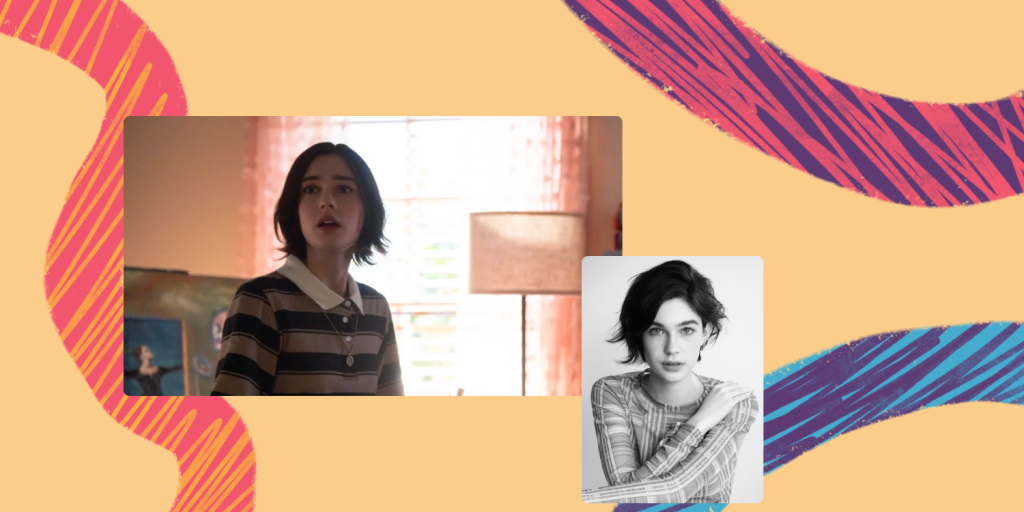
By Bekah (he/him), It Gets Better Youth Voices ambassador
Malcolm in the Middle was one of my pandemic shows. The witty humor gave me a break from the new reality of life during Covid. Like Malcolm, I was feeling short-changed. I never got a proper goodbye to my elementary school class and teachers, many of my close friends were moving away, and I was about to start middle school at home. In the grand scheme of pandemic-related issues, my problems were minor, but to 11-year-old me, my life had been turned upside down.
I recently rewatched all seven seasons of the show. While I still appreciated the humor, I began to see some of the flaws of a 2000s-era sitcom. I remember one cold open in which Dewey began playing with more feminine toys to scare his dad and get him to buy Dewey a BB gun. Another time, Dewey says he wants to be a girl, with Hal declaring, “Not on my watch”. While these jokes were common at the time, they haven’t aged well.
At the time, I was beginning to scratch the surface of my identity. I had heard the word “transgender” but didn’t fully understand what it meant. After I began questioning my own gender identity, I started noticing all of these transgender microaggressions. I hated how media pieces perpetuated stereotypes about my identity and normalized making trans identities the butt of a joke.
I hated how media pieces perpetuated stereotypes about my identity and normalized making trans identities the butt of a joke.
However, I eventually found more positive media representation. Around the same time I was watching Malcolm in the Middle, my mom was streaming Good Girls. I found the concept of suburban moms turned criminals to be fascinating and would often watch with her. My favorite character quickly became Ben Marks, the trans son of one of the leads. His coming out scene was so moving that I spent the next week streaming it on repeat. And it wasn’t just having a trans character that made the show special, but rather the response to his coming out from everyone else. Everyone around Ben supported his transition journey but ensured it wasn’t ever the dominating trait of his character. The show promoted love and acceptance without tokenization or milking Ben’s trans identity. Since then I’ve seldom found trans representation in media that lives up to this standard.
When I found out about the Malcolm in the Middle continuation series Life’s Still Unfair, which began streaming this week, I was ecstatic. I still loved the show and was looking forward to seeing it produced in my own lifetime. I was even more excited to hear that the referenced 6th child was going to be a non-binary teen played by Vaughan Murrae.
Over the past year, Murrae has easily become one of my favorite queer actors. My family has been hooked on The Way Home, where they play KC, a teen time traveller. I love how KC uses they/them pronouns, but their identity is never made into a plot point. Such an occurrence is a rare breath of fresh air from the typical tokenized trans character.

Such an occurrence is a rare breath of fresh air from the typical tokenized trans character.
I watched the reboot this week, and Murrae’s character Kelly is a glowing example of trans representation without an overemphasis on their gender identity. When their identity was put in the spotlight, it was to show how much the rest of the family supported them. Kelly was never isolated from their family, finding their own choice of chaos to torment their siblings with. Despite being a new character, they blended right into the family.
Malcolm in the Middle was undoubtedly a product of its time, but times have changed. Instead of insisting on recreating the show, the producers are moving it into a modern era. The base story of a middle-class family struggling to get by is just as relevant today. Simultaneously, trans voices in the media are more important than ever before. As a trans teen, I’m glad that Malcolm in the Middle is using its brand platform to bring a non-binary character to large audiences, exemplifying how older media can adapt for new generations.